

Read Exodus 19:1-25
On the morning of the third day there was thunder and lightning, with a thick cloud over the mountain, and a very loud trumpet blast. Everyone in the camp trembled. Then Moses led the people out of the camp to meet with God, and they stood at the foot of the mountain. –Exodus 19:16-17
The day of my wedding, we arrived at the church some three to four hours early. Jamalyn and I did not see each other before the service, so with the exception of about thirty minutes in the sanctuary taking pictures, my groomsmen and I spent the rest of the time squirreled away in a Sunday School classroom.
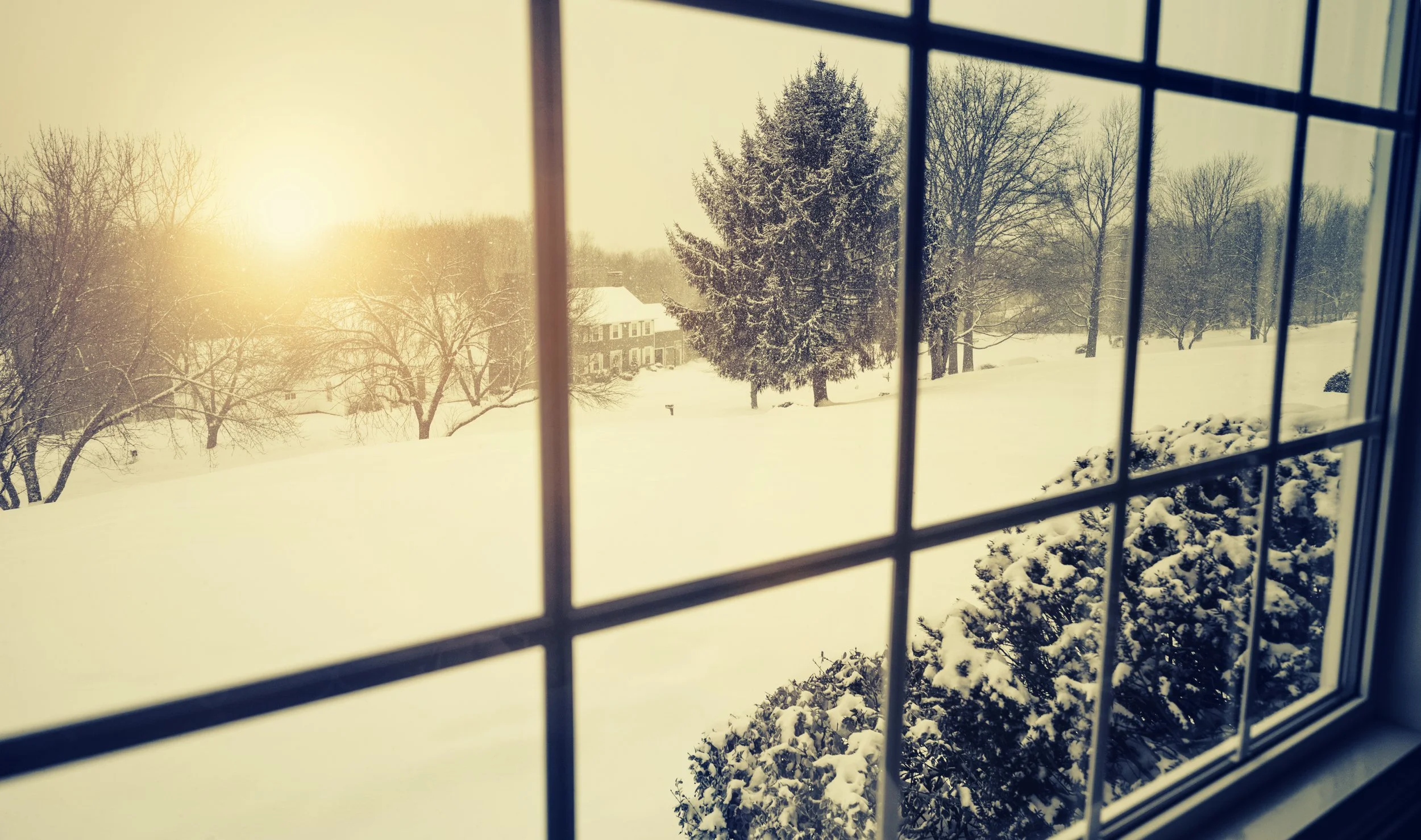
About thirty minutes before the service began, I felt the need to be alone. So I snuck off to a neighboring classroom. Jamalyn and I were married in January, and I remember watching the snowfall through the window. I read a couple of my favorite Psalms, and mostly thought about the step I was about to take. I had no idea what lay on the other side of this threshold—what challenges Jamalyn and I would face in life or where our journeys would take us. I just knew that I was making a promise to her “for better or for worse,” and I wanted to lay that commitment before the Lord.
For some reason, that’s the memory that comes to mind when I read the story of Israel encamped at the base of Mount Sinai. They didn’t know it yet, but God was about to invite them to enter into a covenant. God had made a promise with their ancestors—Abraham, Isaac, and Jacob. God had rescued them from a life of slavery. Yet the people of Israel knew nothing about the “home” to which they were journeying. They had to entrust their future–and their children’s future–into God’s hands.
We often refer to the Mt. Sinai covenant as the “Ten Commandments.” Certainly, these commandments would form the core of the Bible’s ethical teachings. Jesus would later distill them to two Great Commandments—to love God with all our heart, soul, mind, and strength (Commandments 1-4), and to love our neighbor as ourselves (Commandments 5-10). But in naming them “commandments” or “laws,” we miss that this was a moment of covenant—a mutual promise made by God and His people to love and honor one another, no matter what the future may bring.
In his great sermon, “The Power of a Promise,” Lewis Smedes writes that when we make a promise, we reach out into an unpredictable future and make one thing certain: we will be there even when being there costs us more than we want to pay. Making and keeping promises builds “a small sanctuary of trust within the jungle of unpredictability.” Smedes argues that our identity does not come from our accomplishments, nor our possessions, nor other people’s perception. Ultimately, who we are comes down to the promises we have made and the promises we keep throughout our lives. Indeed, when we keep our vows and remain committed to difficult people or lost causes, we mirror the steadfast love of God.
When you look back on your life, what “covenant thresholds” can you recall? Can you recall what it was like to make those commitments—how little you may have known about the future or where your promise would lead? How have those commitments guided you to become the person you are today? Is there a promise that you need to renew even today?
For the covenants I have kept and found blessing within, O Lord, I give You thanks. For the promises I have broken which led to remorse, I ask for Your forgiveness. For the commitments I struggle even now to keep, I seek Your grace. Thank You, O God, for the covenant You have made through Your Son, to love and receive me as Your child. Amen.