

Read 2 Kings 22:1-13
In the eighteenth year of King Josiah, the king sent Shaphan the son of Azaliah, son of Meshullam, the secretary, to the house of the LORD, saying, “Go up to Hilkiah the high priest, that he may count the money that has been brought into the house of the LORD, which the keepers of the threshold have collected from the people. And let it be given into the hand of the workmen who have the oversight of the house of the LORD.” –2 Kings 22:3-5
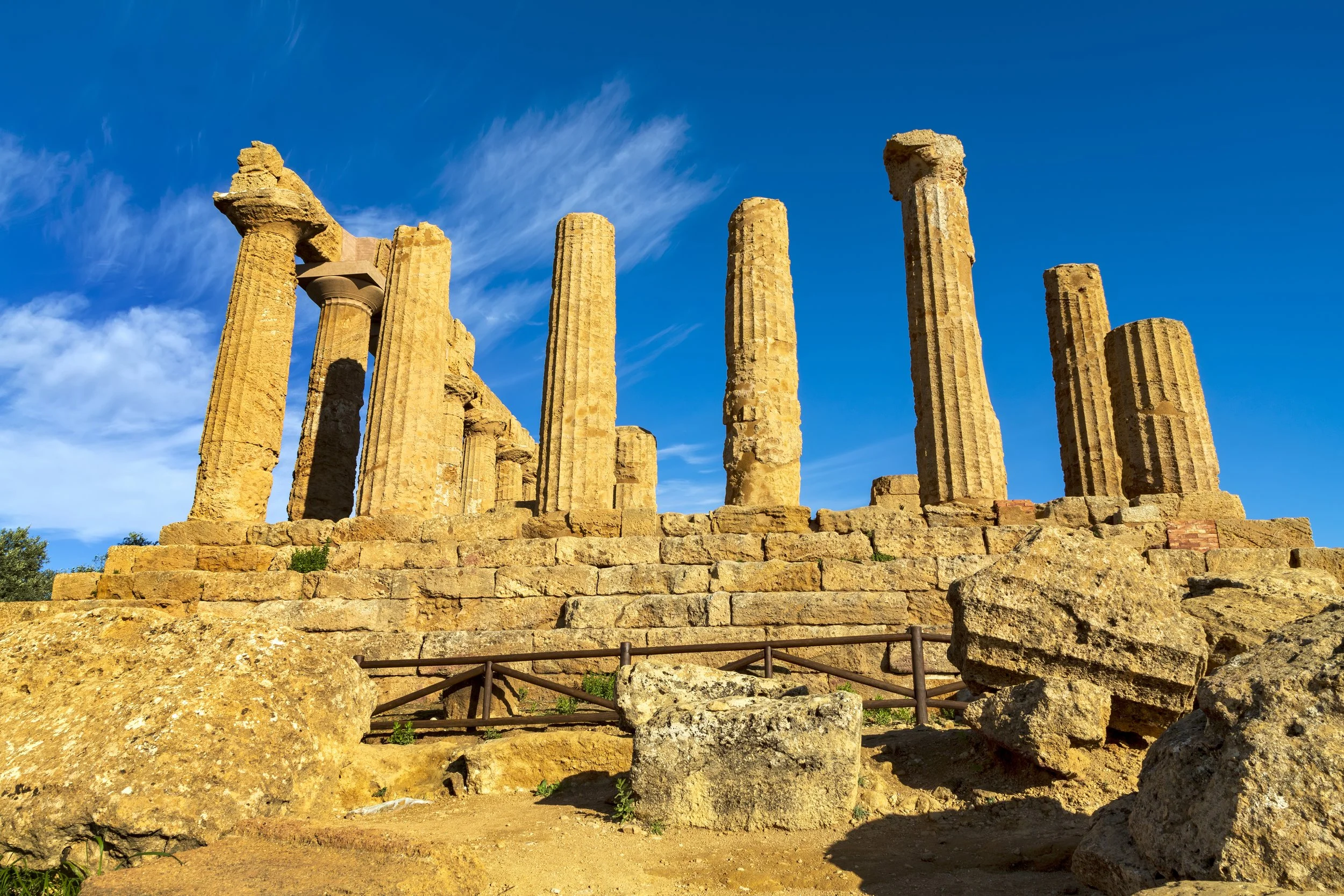
When Josiah was eight years old, his father Amon was assassinated, which meant Josiah became king of Judah at a very young age. Josiah’s grandfather, Manasseh, was one of the worst kings in Judah’s history. He allowed the kingdom to fall into a state of deep corruption. From the time of Manasseh extending through Josiah’s early years, the people of Israel turned to idolatry and worshiped other gods. They forgot their own story and abandoned meaningful festivals like the Passover. The temple of God fell into disrepair—it was littered with idols and even housed fertility cults that practiced public sex as a form of worship. God’s people had completely lost their way.
In the eighth year of his reign (when Josiah turned 16), he had a spiritual awakening—he “began to seek the God of his father David” (2 Chron. 34:3). Four years later, he began the first of his public reforms, tearing down altars to Baal and other foreign gods. In his eighteenth year (when he was 26), Josiah turned his attention to the Jerusalem temple, cleaning out all the false idols and performing maintenance that had been neglected for a century or more. As this renovation was taking place, the workers in the temple found the “Book of the Law,” which was perhaps an early form of Deuteronomy. The book was brought to Josiah and read in his presence. When Josiah heard God’s word, he tore his robes in repentance, and he called the people to gather at the temple to hear God’s word read aloud in their presence. Then the people—"from the least to the greatest”—recommitted themselves to God’s covenant, and together they celebrated the feast of the Passover. (2 Chron. 34-35). The writers of Kings and Chronicles agree: “Before Josiah there was no king like him, who turned to the Lord with all his heart, with all his soul, and with all his might, according to all the law of Moses; nor did any like him arise after him.” (2 Kings 22:2; 23:25; cf. 2 Chron. 34:2; 35:18)
Within Josiah’s story, we read about a group of people called the “keepers of the threshold.” These were Levi priests who functioned as “gatekeepers” for the temple of God. Josiah gave them two important tasks. Their first job was to collect the temple tax as people entered the temple, which was how Josiah funded its restoration. The “keepers of the threshold” were also responsible for cleaning out all the foreign idols and cults that had taken up residence in the temple (2 Kings 23:4). Without the “keepers of the threshold,” who knows if the Book of the Law would have been found and brought to Josiah?
I’ve already talked and a previous devotion about the importance of guarding the thresholds of our hearts. (Go back to the story of Cain and how God warned him about the “sin that was crouching at the door.”) Today’s story makes me think about how we might guard the “thresholds” of the institutions within which we live.
Two different quotes come to mind. The first is from Henry Cloud’s Boundaries for Leaders: “Leaders are ultimately responsible for both the culture they create and the culture they allow.” Josiah made the hard choice to take responsibility for his people’s sins; he would not allow them to tarnish the name of God any longer.
The second quote I think of is from Andy Crouch’s Playing God, who argues that every institution needs “trustees” who not only protect the institution but also hold it to a higher calling. He writes: “The institutions of our time will be changed not by impersonal institutional forces; they will be changed by trustees—image bearers who face their institutions’ failings, forgive them, and lead toward a better way.”
For which institutions might you serve as a “trustee”? What behaviors or attitudes might be corroding that institution and leading it astray from its true purpose? How might you serve as a “keeper of the threshold” for that place?
As you reflect on these questions, I caution you to avoid the trap of the Pharisees, who also saw themselves as “keepers” of God’s law. We must always be mindful that Jesus warned us against self-righteousness, from being so focused on the log in someone else’s eye that we miss the speck in our own. But we must balance that humility with the courage to do something about the world in which we live, and specifically the institutions in which we participate. So what would courageous, humble, and faithful action look like where you live?
Give me courage to act like Josiah, Lord—to turn to You with all my heart, and all my soul, and all my might, and to invite others into that turning with me. Amen.