

Read Acts 2:1-12
All of them were filled with the Holy Spirit and began to speak in other tongues as the Spirit enabled them. –Acts 2:4
Last week we reflected on the thresholds Jesus crossed in his life and ministry, and even through his death and resurrection. This week we’ll reflect on the way the early church continued to cross social and cultural boundaries in order to share the good news of God’s kingdom. Let’s start by reflecting on the story of Pentecost.
To fully understand this story, we have to go back to one of the earliest stories of the Bible. In the beginning, “the whole world had one language and a common speech.” (Gen 11:1) But then people said to one another: “Come, let us build ourselves a city, with a tower that reaches to the heavens, so that we may make a name for ourselves.” (Gen 11:4) People were again trying to become “like God” (see: the Garden of Eden), so God “confused their language” and scattered them across the face of the earth.
Back to the Pentecost story. Ever since the Babylonian exile six centuries prior, the Jewish people had likewise been scattered across Persian and Roman empires. No matter how far away people lived, though, Jewish law required adult males to make pilgrimage to the Jerusalem temple three times each year. Pentecost (also called Shavuot) was one of those pilgrimage festivals. So on that day in Jerusalem, there were Jewish people gathered from far and wide: “Parthians, Medes and Elamites; residents of Mesopotamia, Judea and Cappadocia, Pontus and Asia, Phrygia and Pamphylia, Egypt and the parts of Libya near Cyrene; visitors from Rome (both Jews and converts to Judaism); Cretans and Arabs.” (Acts 2:9-11)
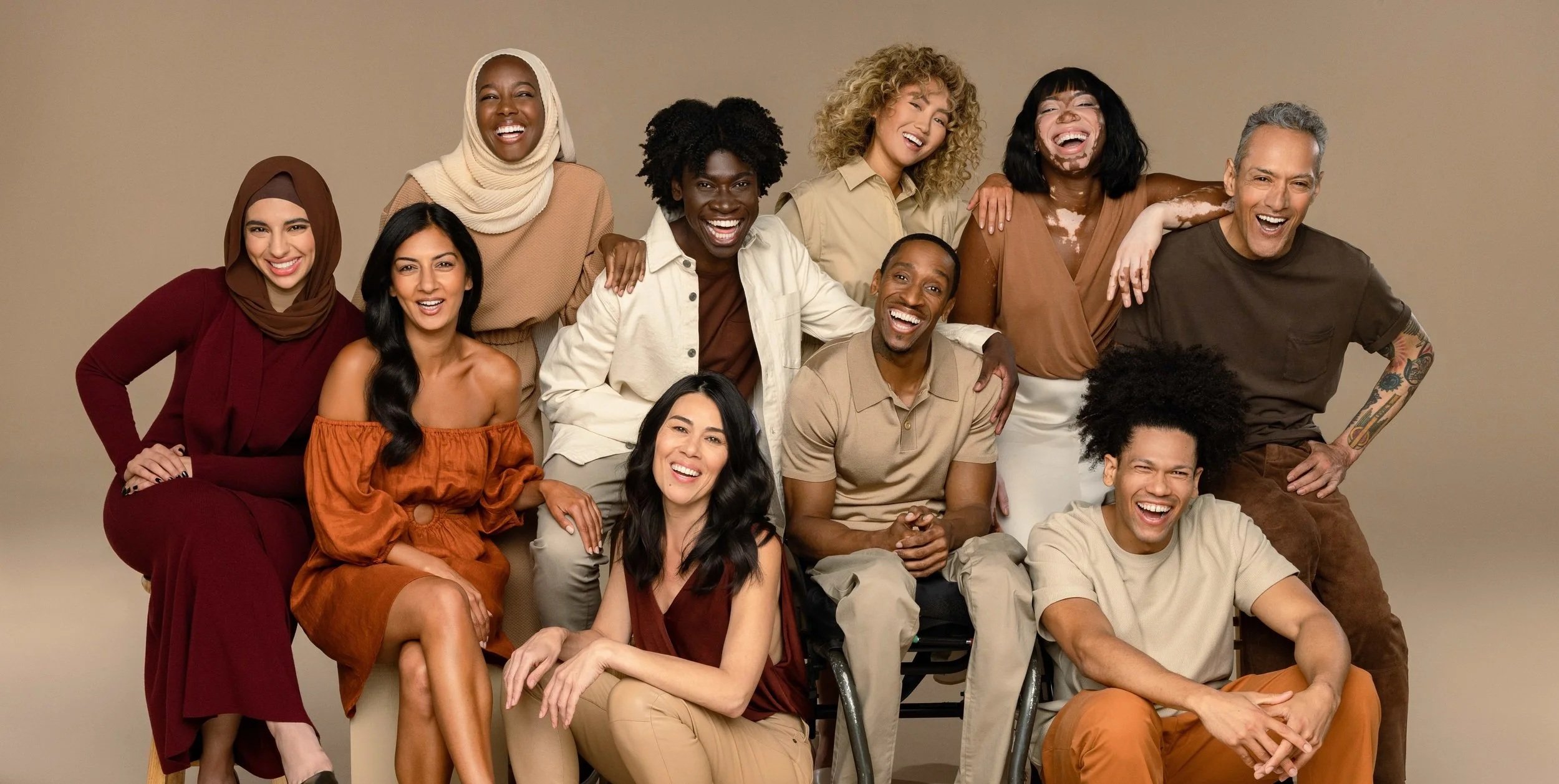
The disciples were gathered in an upper room, praying and waiting as they had been doing for fifty days since Jesus’ resurrection. Then, all of a sudden, the sound of a great wind filled the house. Tongues of fire rested upon each disciple, and they received the Holy Spirit. The Spirit gave them a particular gift–the ability to speak in other languages–so that every person who listened to them could hear and understand the Gospel, no matter what part of the world they were from. It was a direct reversal of the curse of Babel!
Have you ever experienced a significant language or cultural barrier? When my wife and I moved to Haiti, we lived in a large building that housed a community of Haitian nuns as well as international volunteers from Cuba and France. At any given meal, there were at least four different languages being spoken–English, French, Spanish, and Creole. Until Jamalyn and I learned to speak Creole, we were quite helpless. We couldn’t understand what people were saying to us, and even if we could’ve understood what people were saying, we wouldn’t have been able to respond!
About six weeks into that time, I picked up a local bug to which I had no natural immunity. The bout of fever and diarrhea only lasted a few days, thankfully, but during that time I was weak as a kitten. Also, around this time, the water to our guesthouse stopped working. We learned this was a common occurrence, and thankfully there was a water pump not far from the house. But at the moment, it felt like the icing on a pretty awful cake.
We were far from friends and family. We didn’t know how to speak to our neighbors. There was no doctor nearby, and now Jamalyn had to lug a five-gallon bucket back and forth from our room, just so we could flush our toilet. We felt so isolated and alone, and worried we’d bitten off more than we could chew.
That first morning when Jamalyn went to get water, one of our housemates–a Cuban gentleman named Eugenio–stopped her as she was carrying the bucket back up the stairs. He took the bucket from her hands and pointed to his chest (as if to say, “I got this”). For the next few days, he brought fresh water to our room every few hours. Both Jamalyn and I look back on that moment as a turning point with our neighbors. We eventually came to regard that eclectic group as our family–and the first step of that journey was this simple act of kindness.
We live in a world that is increasingly divided–not just by language, but by tribalism, religion, and politics. I have heard more than one pastor suggest that social media is our new “tower of Babel”--the instrument that “confuses our language” and makes us unable to listen to and understand one another. But it strikes me still that there is one universal language. It only takes one simple act of compassion–as Eugenio showed us some 25 years ago–to break down all the barriers between us.
Dear God, help me to keep my eyes open today. Help me to see those in my path who are struggling or need encouragement. Even if I do not speak their language or know their name, help me to cross the threshold between us in love. Amen.